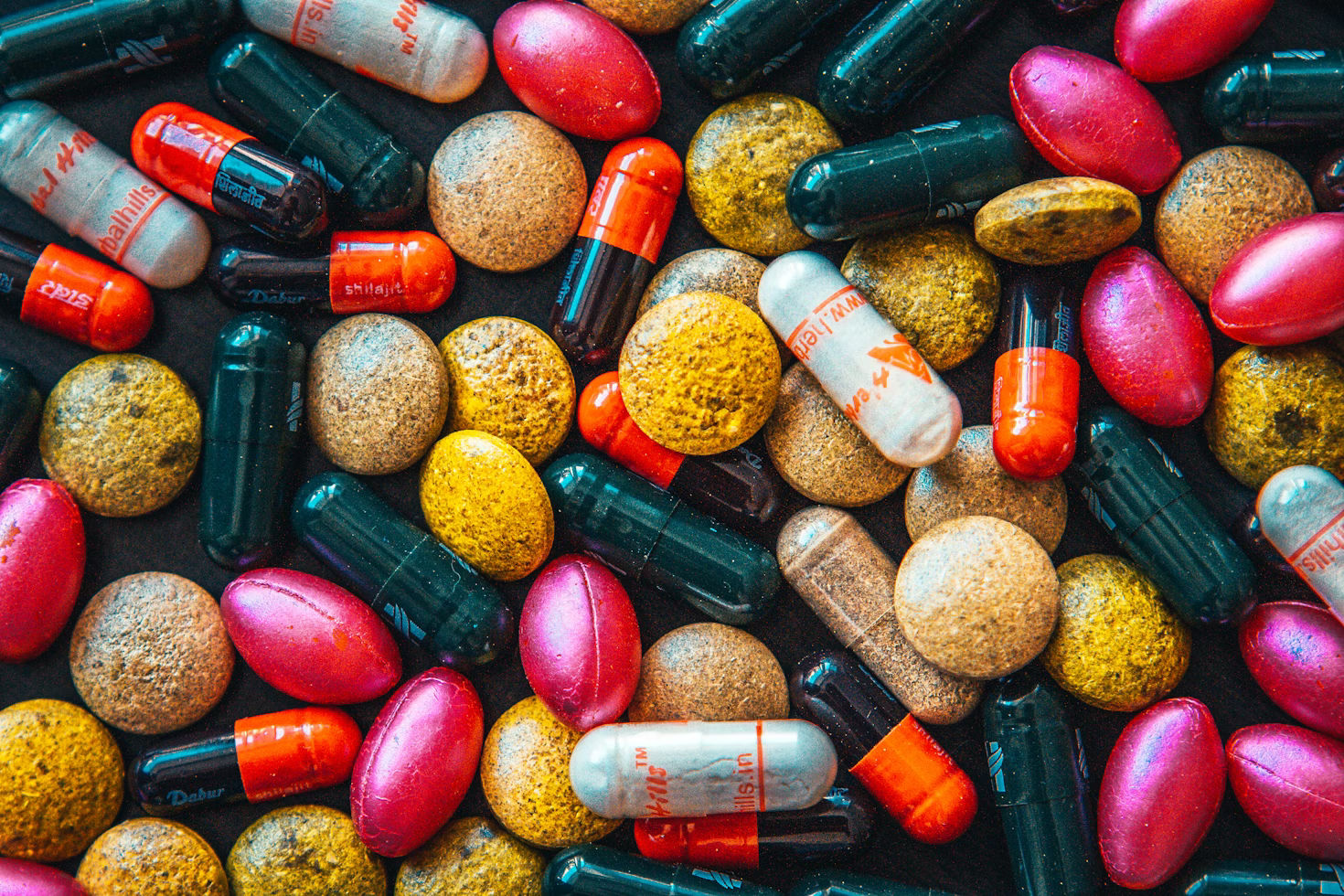
In the quiet rhythm of our cells, a clock is always ticking—one that does not always match the dates on a calendar. This "biological age" reflects the wear and tear on our DNA, and new research suggests that a common, low-cost habit might be able to nudge that clock backward. According to a study published in Nature Medicine, older adults who took a daily multivitamin for two years showed a slowing of biological aging equivalent to about four months compared to those who took a placebo.
The findings emerged from the COcoa Supplement Multivitamins Outcomes Study (COSMOS), which tracked 958 healthy participants with an average age of 70. Researchers used epigenetic clocks—sophisticated tests that analyze chemical changes in DNA called methylation—to measure how quickly the body is aging at a molecular level. While the results were modest, they were most pronounced in individuals who began the trial with a biological age already higher than their chronological age.
While the data provides a rare, randomized look at the effects of common supplements, experts suggest a measured approach. The study found statistically significant slowing in only two of the five biological clocks measured, and the researchers emphasized that these molecular shifts do not necessarily guarantee a longer life or a direct reduction in disease risk. Instead, the study serves as a "connecting dot," suggesting that for those with nutritional gaps, a daily pill might offer a marginal but helpful layer of support for cellular health.
This research matters because it shifts the focus from simply extending the length of life to improving the quality of the years we have. In a world often filled with expensive and complex longevity treatments, the possibility that a standard multivitamin—containing familiar nutrients like Vitamin D, zinc, and B vitamins—could play a role in healthier aging is a grounded and accessible prospect. It suggests that small, consistent actions can have a measurable impact on the invisible processes that define our well-being.