Environment
Progress for a cleaner, greener world.

 Phys.org
Sediment core reveals 10,800 years of precipitation history in the Sahara
The analysis of a sediment core from an oasis lake in Chad provides new insights into the history of precipitation in the Sahara. The study, led by the University of Cologne, shows that a prolonged wet phase, which lasted from 14,800 to 5,500 years ago, was interrupted by short-term droughts. Such drought events could also occur in a similar manner in the future.
 Environment

 The Guardian
Hair compost, sugar waxes and refillable shampoo: inside a California low-waste salon
Scisters Salon & Apothecary in the San Diego area is committed to sustainable beauty and going low-waste The first thing you notice when you walk into Scisters Salon & Apothecary is what isn’t there. No wall of glossy plastic bottles promising “repair” or “shine”. No sharp chemical tang or aerosol haze. The only trash can is a tiny basket that mostly collects coffee cups and gum wrappers clients bring from home. Instead, the shelves of this southern California salon are lined with large refill containers of shampoo and conditioner, houseplants dot the space, hair clippings are swept away for compost, and the air carries a trace of bergamot and vanilla. Continue reading...
Environment
 ScienceDaily
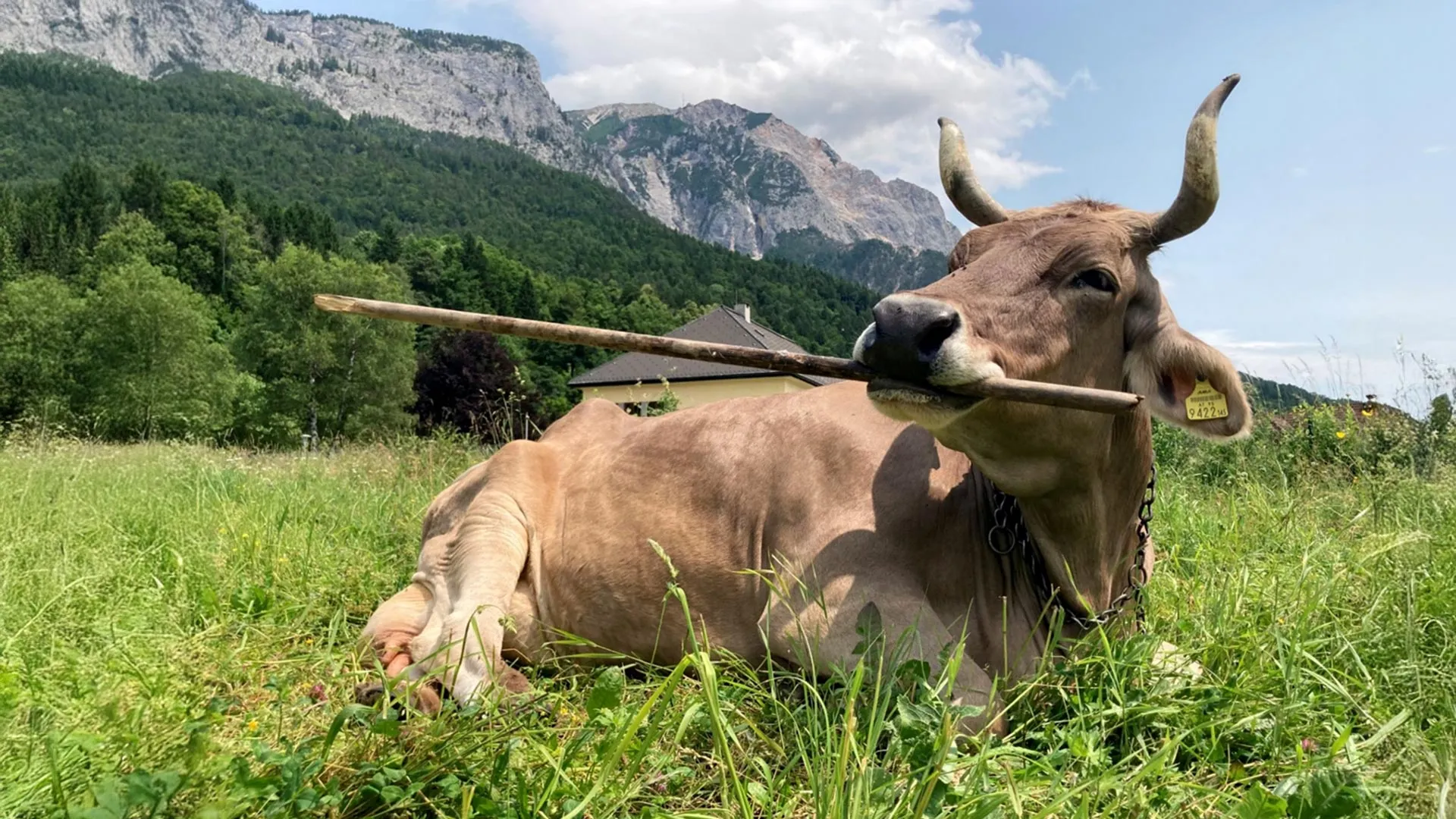
This cow uses tools like a primate—and scientists are stunned
A cow named Veronika has stunned scientists by using tools in a flexible and purposeful way. She chooses different ends of a brush depending on the part of her body and adjusts her movements accordingly. This level of tool use is incredibly rare and was previously seen mainly in primates. The finding hints that cows may be much smarter than we assume.
Environment


 ScienceDaily
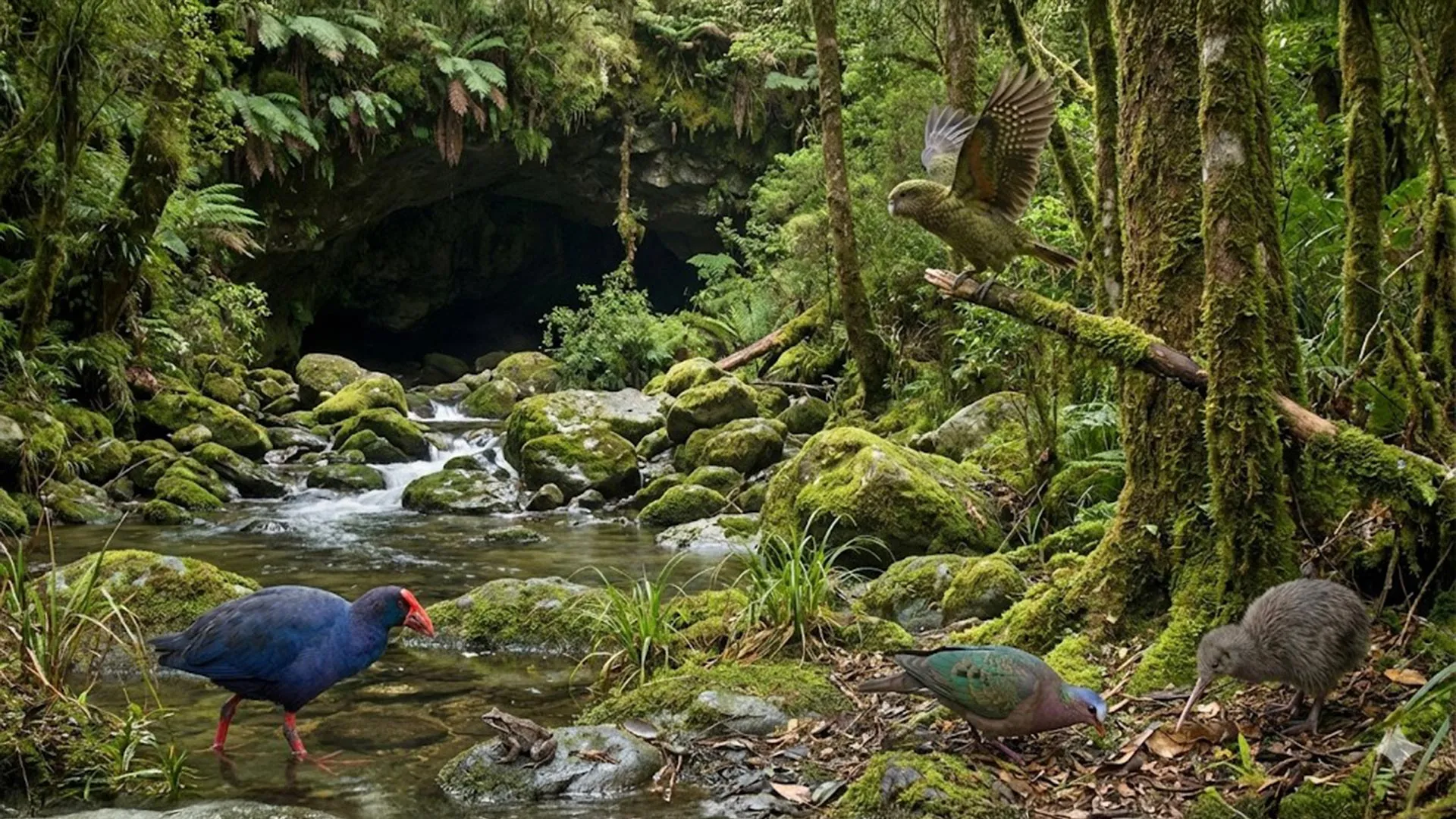
Scientists open a million-year-old time capsule beneath New Zealand
Deep inside a cave, scientists uncovered fossils from 16 species, including a newfound kākāpō ancestor that may have been able to fly. These remains reveal that New Zealand’s ecosystems were constantly disrupted by volcanic eruptions and rapid climate shifts. Long before humans, waves of extinction and replacement reshaped the islands’ wildlife. It’s a rare window into a missing chapter of natural history.
Environment
 Phys.org
From tropics to poles: How Pacific Ocean warming sets the stage for Antarctic stratospheric changes months later
The tropical Pacific Ocean and the frozen expanse of Antarctica sit more than 10,000 kilometers apart. Yet new research shows that when surface waters warm near the equator in northern winter, the Antarctic stratosphere responds months later—a delayed reaction that could improve predictions of Southern Hemisphere climate patterns.
Environment


 Phys.org
AI tool predicts wildfire danger faster than current systems
A wildfire forecasting system powered by artificial intelligence (AI) could help detect dangerous fire conditions earlier and reduce the cost of wildfire response, according to new research from Te Whare Wānanga o Waitaha, University of Canterbury (UC). The work is published in the International Journal of Wildland Fire.
Environment
 Phys.org
How New Jersey's limits on 'forever chemicals' in tap water brought levels down
Levels of toxic "forever chemicals" in New Jersey's public water systems dropped by as much as 55% after the state moved to limit the contaminants in drinking water, according to a Rutgers Health researcher who has analyzed 19 years of monitoring data from throughout the state. Their findings in Environment International represent one of the first formal evaluations of whether state-level regulations on per- and polyfluoroalkyl substances (PFAS) effectively reduce contamination.
Environment
 Phys.org
Using 'imaginative' AI to survey past and future earthquake damage
Researchers have used artificial intelligence to develop a new tool for assessing earthquake damage, a leap that could ultimately help first responders in making critical rescue decisions, suggests a new study. The team's AI, called the LoRA-Enhanced Ground-view Generation (LEGG) diffusion model, is trained on real aerial drone images that it uses to create highly photorealistic 3D reconstructions of the ground. Creating imagery detailed enough to fully capture a region's physical characteristics distinguishes this synthetic model, enabling it to recognize complex visual patterns and predict where structures may be damaged, even in densely populated urban areas.
Environment