In the early hours of Tuesday morning, five members of the Iranian national women’s soccer team transitioned from international competitors to humanitarian visa holders in Australia. Following their team’s exit from the Women’s Asian Cup, Fatemeh Pasandideh, Zahra Ghanbari, Zahra Sarbali, Atefeh Ramazanzadeh, and Mona Hamoudi were moved to a secure location by federal police to finalize their applications. Home Affairs Minister Tony Burke, who shared images of the women smiling as the documents were signed, noted that while the decision was undoubtedly difficult, the atmosphere was one of profound relief as they prepared to embark on new lives in a country that has "taken them into its heart".
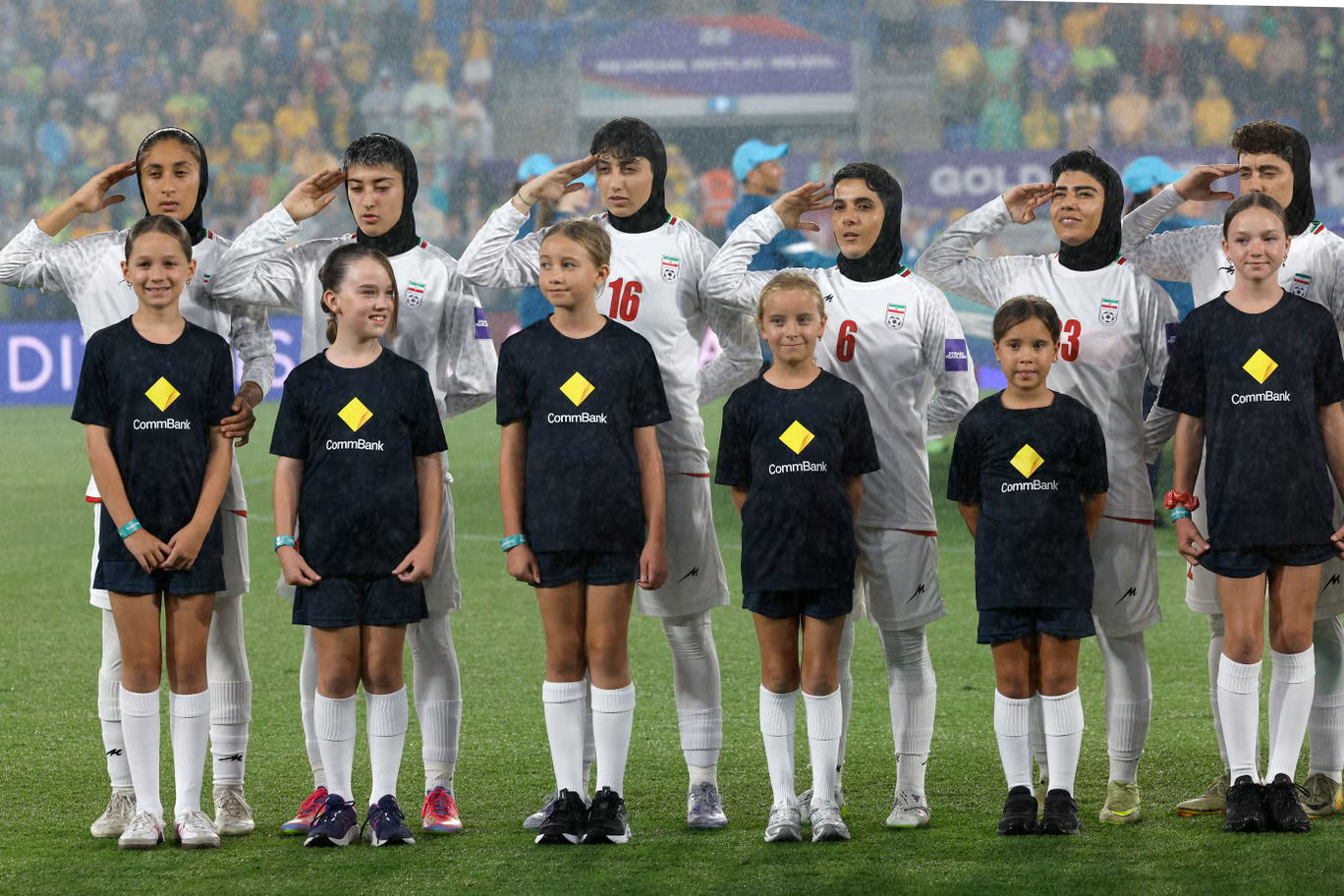
The move follows a week of mounting tension and international scrutiny that began when the players remained silent during the Iranian national anthem before their opening match against South Korea. While the team did not issue a formal statement, the gesture was widely interpreted as either a silent protest against the regime or a mark of mourning for those affected by the conflict that began in late February. The silence drew sharp rebukes from Iranian state media, which labeled the players “traitors” and suggested they could face severe consequences upon their return. During later matches, supporters at the Gold Coast Stadium observed some players making international hand signals for help as they were escorted to and from the pitch.
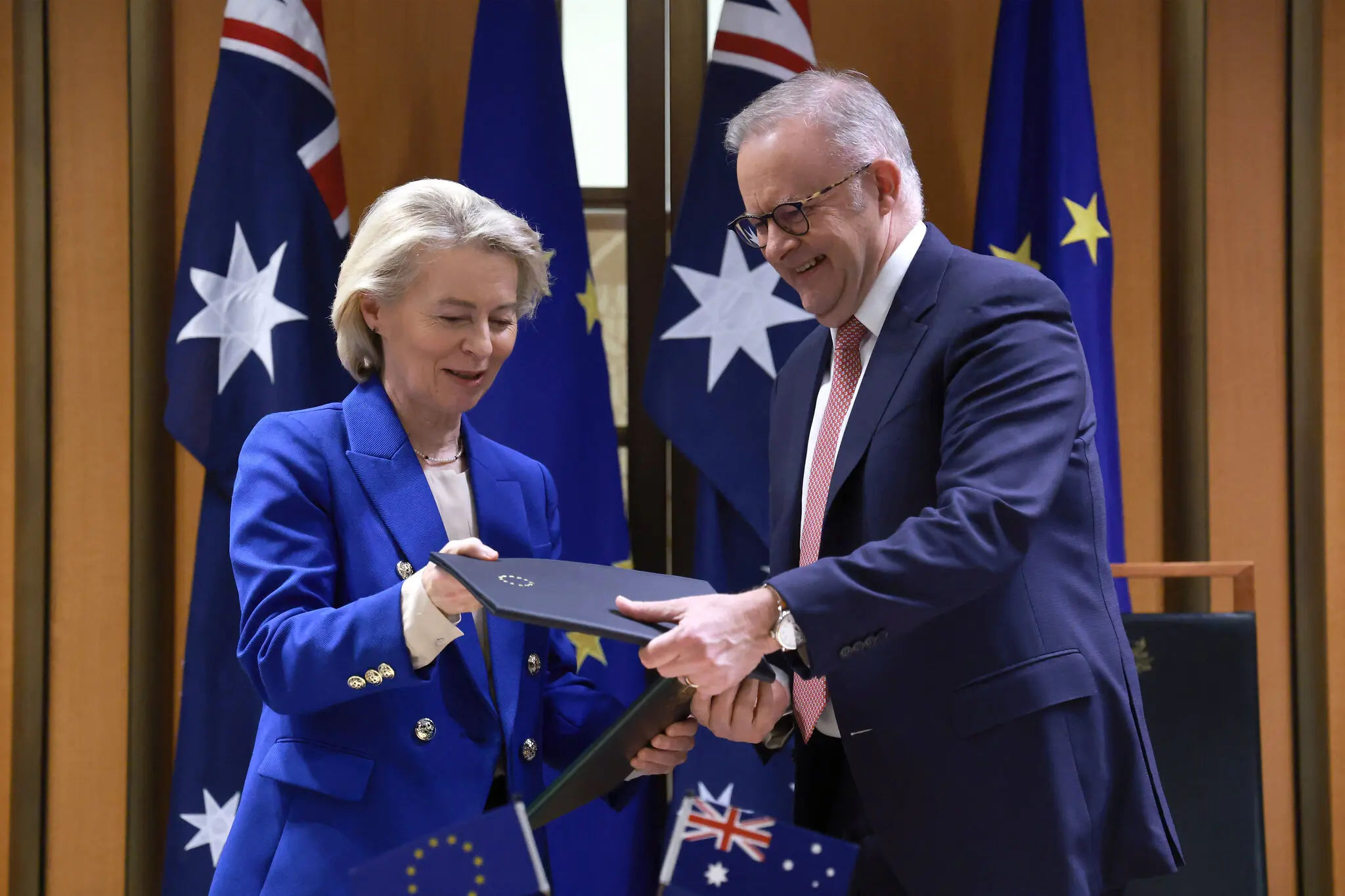
The situation prompted a rare moment of diplomatic alignment as U.S. President Donald Trump and Australian Prime Minister Anthony Albanese discussed the players’ safety. Although the Australian government had been quietly preparing the humanitarian pathway for several days, the public discourse intensified after President Trump urged Australia to grant asylum to any team member who requested it. Prime Minister Albanese later confirmed that Australian officials have made the offer of support clear to all 26 members of the squad, ensuring that those who feel they cannot return home due to threats against themselves or their families have a safe alternative.
This story stands out not just as a geopolitical event, but as a testament to the weight of individual agency under pressure. For these athletes, the football pitch became a space where the personal and the political were inseparable, forcing them to balance their professional roles with their safety and convictions. The sight of the Iranian and Australian teams swapping jerseys at the end of their match serves as a reminder of the solidarity that sport can foster even in times of deep uncertainty. By providing a safe harbor, Australia has recognized the unique vulnerability of these women, allowing them to step away from the sidelines of a conflict and into a future of their own choosing.