
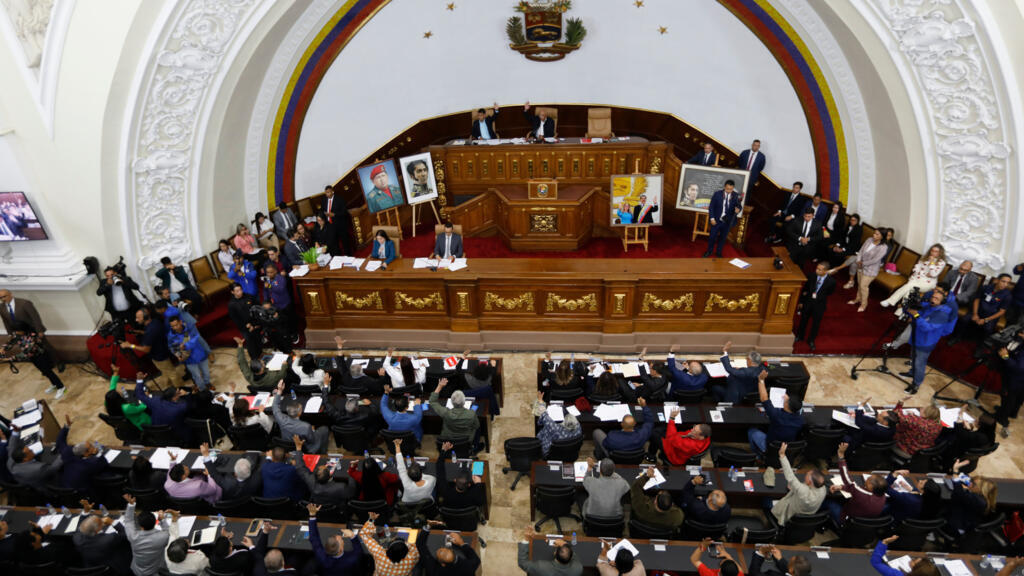
On a quiet Thursday in Caracas, relatives who had staged vigils and even a near weeklong hunger strike watched as lawmakers approved an amnesty bill that could send long-imprisoned critics of the state home. The unanimous vote marked a clear break with years in which authorities denied holding political prisoners and follows pressure on the interim government to demonstrate tangible steps toward opening political space.
The law is written to apply retroactively to 1999, covering episodes from earlier coup attempts to recent unrest, but it also lists exclusions for people accused of promoting or participating in armed actions involving foreign actors. UN human rights experts urged that the scope be limited to victims of rights violations and cautioned against pardons for serious crimes, while local rights groups continue to press for clarity on who will benefit.
The measure’s immediate effect has already been visible: opposition figure Juan Pablo Guanipa announced his release after months of detention, and authorities said more than 1,500 people who applied under the law were expected to be freed. Still, activists and some former detainees described the draft as flawed and voiced concern over who remains excluded.
The vote comes amid unusual political realignments: Delcy Rodríguez, who assumed interim leadership after President Nicolás Maduro’s removal in a January raid, signed the bill, and Caracas has engaged with US military officials as part of wider talks. That backdrop — including pressure from international actors and discussions about access to national resources — has shaped both the timing and the terms of the amnesty.
Why this matters: the law offers families the hope of reunion and a visible shift in public policy, but it also raises fundamental questions about truth and responsibility. Voices inside and outside Venezuela have pointed out that lasting reconciliation depends not only on releases but on transparency about who is pardoned and on safeguards against impunity, a balance that remains to be tested in the weeks ahead.

:max_bytes(150000):strip_icc():format(jpeg)/GettyImages-2262477879-684213cd16ce456aacafd89c8db027b2.jpg)